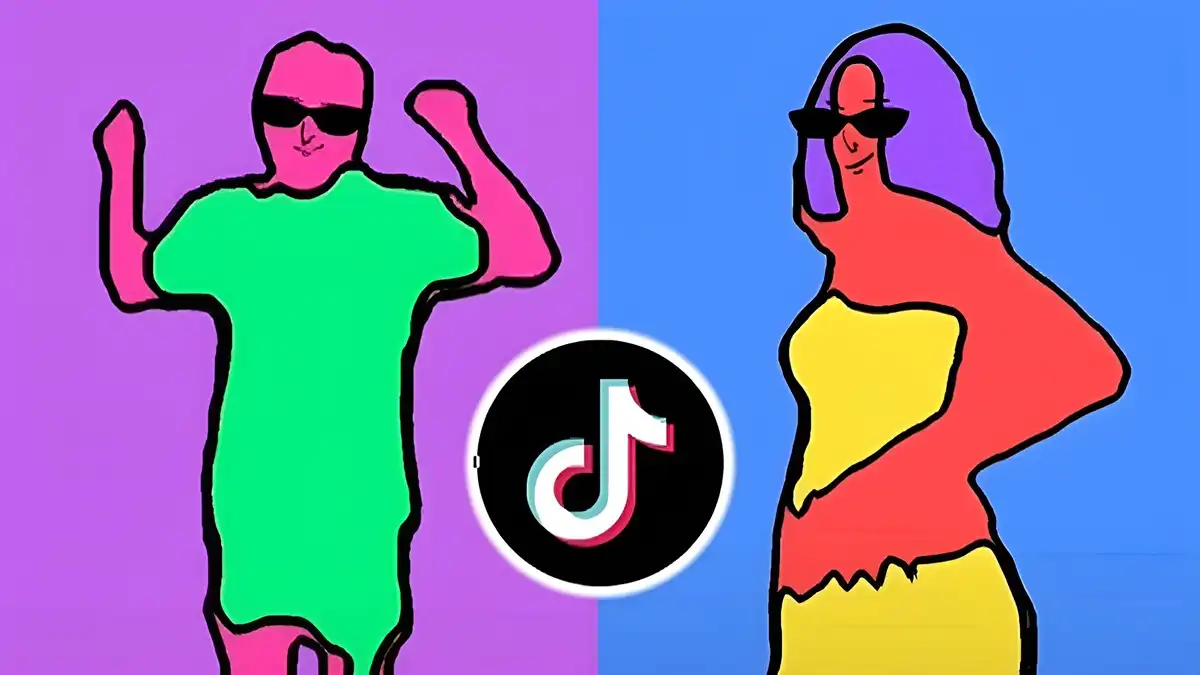
Rotoscope

How To Remove Rotoscope Filter Guide

Learn how to remove Rotoscope filter effects, understand filter removal methods, editing factors, and important information about visual effect management.

Author Rotoscop Remove

Published

Rated 4.6/5 · 3.4M

How To Remove Rotoscope Filter Guide

Removing a Rotoscope filter is a common topic among users who want to understand how visual effects can be managed, adjusted, or modified from images and videos.

Modern editing tools provide different ways to control visual elements by separating specific areas and applying targeted changes.

Users usually explore Rotoscope Filter Removal because they want to understand:

For a complete understanding of Rotoscope technology and its features, users can explore the main Rotoscope guide.

  • How applied filters work
  • How visual effects can be adjusted
  • What editing methods are available
  • Which factors influence results

Understanding Rotoscope Filters

A Rotoscope filter is a visual effect or adjustment applied to digital content.

Filters can change different aspects of an image or video, including:

Removing or modifying these effects requires understanding how they interact with the original content.

  • Color appearance
  • Visual style
  • Brightness
  • Contrast
  • Overall presentation

What Is Rotoscope Filter Removal?

Rotoscope Filter Removal refers to the process of managing, reducing, or modifying visual filters from edited content.

The process generally involves:

Filter Identification → Area Selection → Visual Processing → Final Adjustment

Each stage affects the quality of the final result.

Steps To Remove Rotoscope Filter

Step 1: Identify The Applied Filter

The first step is understanding what type of filter has been applied.

Users should consider:

Different filters require different editing approaches.

  • Filter style
  • Visual changes
  • Affected areas

Step 2: Select The Affected Area

Rotoscope-based editing allows users to focus on specific parts of content.

Selection may include:

Accurate selection helps improve editing precision.

  • Subject areas
  • Objects
  • Background sections

Step 3: Process The Visual Effect

After selecting the affected area, editing tools analyze and adjust the visual information.

Possible adjustments include:

  • Reducing filter intensity
  • Changing visual appearance
  • Restoring original elements

Step 4: Review Final Output

After processing, users review the result and make additional adjustments if required.

The final quality depends on:

  • Source material
  • Filter complexity
  • Editing capability

Rotoscope Filter Remover APK For Filter Management

The term Rotoscope Filter Remover APK is commonly associated with tools that focus on managing or modifying visual effects.

Users exploring this type of application usually want to understand:

The complete experience depends on the tool features and content being edited.

Users can explore more details through the Rotoscope Filter Remover APK Guide.

  • Filter adjustment features
  • Editing workflow
  • Visual processing options

Filter Remover APK And Removing Visual Effects

A Filter Remover APK generally refers to applications related to modifying applied visual filters.

These tools may help users explore:

However, results can vary depending on the complexity of the filter.

  • Effect adjustment
  • Visual correction
  • Content customization

Factors That Affect Rotoscope Filter Removal

Removing or modifying filters depends on several important factors.

Original Content Quality

High-quality source content usually provides better editing conditions.

Clear visual information helps tools process elements more effectively.

Filter Complexity

Simple filters may be easier to adjust compared with complex visual effects.

Factors include:

  • Number of changes applied
  • Visual intensity
  • Content interaction

Editing Tool Capability

Different tools provide different levels of:

  • Accuracy
  • Processing ability
  • Customization

Device Requirements For Filter Removal

The device environment can influence the editing experience.

Important factors include:

Processing Performance

Visual processing may require suitable device resources.

Storage Availability

Editing projects and application files require enough available space.

System Environment

Device condition can influence application performance.

Users interested in device-related information can explore the Rotoscope Compatibility Guide.

Rotoscope APK And Filter Removal Process

The term Rotoscope APK is often searched by users interested in mobile-based editing solutions.

Users usually consider:

Understanding these factors helps users explore suitable editing workflows.

  • Available features
  • Editing options
  • Device compatibility
  • Overall experience

Common Problems While Removing Rotoscope Filters

Users may face different challenges during filter removal.

Incomplete Filter Removal

Some effects may remain because of complex visual changes.

Quality Loss

Heavy editing may influence the final appearance.

Processing Limitations

Device or tool limitations may affect results.

Improving Filter Removal Results

Users can improve results by following better editing practices.

Helpful approaches include:

  • Using high-quality source content
  • Understanding the applied filter
  • Selecting accurate visual areas
  • Reviewing final output carefully

Frequently Asked Questions

How To Remove Rotoscope Filter?

Removing a Rotoscope filter generally involves identifying the effect, selecting affected areas, processing visual information, and adjusting the final output.

What Is Rotoscope Filter Removal?

Rotoscope Filter Removal is the process of managing or reducing visual effects from digital content.

What Is Rotoscope Filter Remover APK?

Rotoscope Filter Remover APK refers to application concepts related to managing visual filters and effects.

What Is Filter Remover APK Used For?

Filter Remover APK is generally associated with tools designed for adjusting or modifying visual effects.

Does Filter Removal Always Give Perfect Results?

Results depend on source quality, filter complexity, and available editing capabilities.

Conclusion

Learning how to remove Rotoscope filters requires understanding visual effects, editing methods, and content processing factors.

The process depends on:

Filter Identification + Visual Selection + Editing Control + Source Quality

By understanding these elements, users can better manage and modify Rotoscope-related visual effects.